

what is white laminated glass
Understanding the 3 8% Gate Valve An Essential Component in Fluid Control Systems In the world of fluid control systems, gate valves play a crucial role in regulating the flow of liquids and gases. Among the various types of gate valves, the 3 8% gate valve stands out due to its specific characteristics and applications. This valve type is a vital component in industries ranging from water treatment to oil and gas transmission, and understanding its design and function is essential for engineers and technicians alike. What is a Gate Valve? A gate valve is a type of valve that opens or closes by lifting a gate out of the path of the fluid. The primary function of a gate valve is to provide a straight-through flow path and to allow for unobstructed passage when fully open. Unlike other types of valves, such as globe valves or ball valves, gate valves are designed to be either fully open or fully closed, making them ideal for applications where minimal flow resistance is required. The Significance of the 3 8% Designation The designation of a gate valve, such as the 3 8%, typically refers to specific standards or dimensions tied to its design and functionality. These alphanumeric codes might indicate the valve's pressure rating, size, or the materials used in its construction. Understanding these specifications is critical as they determine the valve’s suitability for various applications, its durability, and overall efficiency in controlling fluid flow. Applications and Use Cases The 3 8% gate valve finds widespread application in various sectors 1. Water Supply Systems In municipal water supply, gate valves are used to control the flow of drinking water, allowing for maintenance and repairs to be performed without draining entire sections of the system. 3 8 gate valve 2. Oil and Gas Industry Here, gate valves are essential in pipelines and refineries, allowing for the adjustment of flow rates and providing safety in high-pressure situations. 3. Chemical Processing The chemical industry requires extensive use of gate valves to manage the passage of various fluids, ensuring safe and efficient operation in reactors, separators, and other equipment. 4. HVAC Systems In heating, ventilation, and air conditioning systems, gate valves help manage the flow of fluids essential for temperature regulation and efficiency. Benefits of Using a 3 8% Gate Valve One of the primary benefits of the 3 8% gate valve is its ability to minimize pressure loss when fully open. This characteristic is vital for systems where maintaining pressure is essential. Additionally, the robust materials used in the construction of these valves ensure durability and resistance to corrosion, making them a long-lasting solution for various applications. Moreover, the simplicity of the design allows for easy maintenance and operation. Unlike more complex valve types, gate valves require straightforward procedures for installation and servicing, contributing to overall operational efficiency. Conclusion In conclusion, the 3 8% gate valve is a vital instrument in fluid control systems across multiple industries. Its design facilitates unobstructed flow, while its specific features ensure compatibility with various applications. Understanding the significance of this valve type allows industry professionals to make informed decisions regarding fluid management, ultimately enhancing system performance and reliability. As industries continue to evolve and demand more from their equipment, the gate valve, particularly the 3 8%, will remain a cornerstone in ensuring the efficient handling of fluids. Whether in a municipal water system or an oil pipeline, the reliability and efficiency of gate valves make them indispensable for modern infrastructure.
about
what is white laminated glass
Understanding Plain Plug Gauge Standards Plain plug gauges are essential tools used in manufacturing and quality control environments to ensure that components meet specific dimensional tolerances. They are designed to check the size and fit of holes and other internal dimensions, providing a reliable means to determine whether a part is within acceptable limits. This article explores the concept of plain plug gauge standards, their applications, and their significance in precision engineering. What is a Plain Plug Gauge? A plain plug gauge is a cylindrical instrument with a specific diameter that is used to measure the internal dimensions of an object, typically a hole. These gauges come in two variants go gauges and no-go gauges. The go gauge is slightly smaller than the nominal size and should fit easily into the hole if the dimension is acceptable. The no-go gauge, on the other hand, is slightly larger and should not fit if the hole is within specification. Together, these gauges help in assessing whether a part is of acceptable quality. Importance of Standards Plain plug gauges are governed by specific standards to ensure accuracy, reliability, and uniformity across various manufacturing processes. The most widely cited standards include those established by organizations such as the International Organization for Standardization (ISO), the American National Standards Institute (ANSI), and the British Standards Institution (BSI). These standards dictate the manufacturing tolerances, materials used, calibration techniques, and measurement methods for plug gauges. Material and Design Plain plug gauges are usually made from high-grade tool steel or other durable materials to withstand wear and tear. The design includes a precisely defined diameter and a smooth, hardened surface to ensure that the gauge provides accurate readings over time. The gauge's length is also standardized to facilitate easy handling and ensure compatibility with measuring devices. plain plug gauge standard Calibration Calibration is a crucial aspect of maintaining the accuracy of plain plug gauges. It involves comparing the gauge against a known standard to check for deviations. Regular calibration is necessary to account for wear, temperature changes, and other factors that could affect measurement accuracy. Most manufacturers adhere to a strict calibration schedule, often using certified reference materials to ensure compliance with industry standards. Applications Plain plug gauges are widely used across many industries, including automotive, aerospace, and electronics. They are instrumental in ensuring parts fit together correctly, which is vital for the safety and performance of machines and systems. For instance, in the automotive sector, precise fitting of components can significantly affect the performance of an engine or transmission. In addition to checking hole diameters, plain plug gauges can also be used in assembly lines to verify the dimensions of various parts before they are assembled into larger systems. This quality control step helps prevent costly errors and rework, ensuring that products meet the required specifications and are safe for use. Conclusion Plain plug gauges are indispensable tools in modern manufacturing and quality assurance. Understanding the standards and practices surrounding these gauges is vital for ensuring the reliable and accurate measurement of internal dimensions. With their widespread applicability across various industries, plain plug gauges serve as a critical component in maintaining the integrity and quality of engineered products. In conclusion, adhering to plain plug gauge standards not only enhances the precision of manufacturing processes but also fosters trust between manufacturers and customers. As industries continue to evolve and strive for higher quality and efficiency, the role of plain plug gauges will remain paramount in achieving these goals. By investing in proper gauges, regular calibration, and adherence to standards, businesses can significantly improve the quality of their products while ensuring customer satisfaction.
-

High quality industrial productsagement

High quality industrial products
View Details -

Meet the diverse needs of customers

Meet the diverse needs of customers
View Details -

Strict quality control

Strict quality control
View Details -

Top raw materials

Top raw materials
View Details -

Trusted supplier

Trusted supplier
View Details
Our application


news and information

Various Types and Functions of Water Control Valves Explained
Understanding Types of Water Control Valves Water control valves are critical components in plumbing
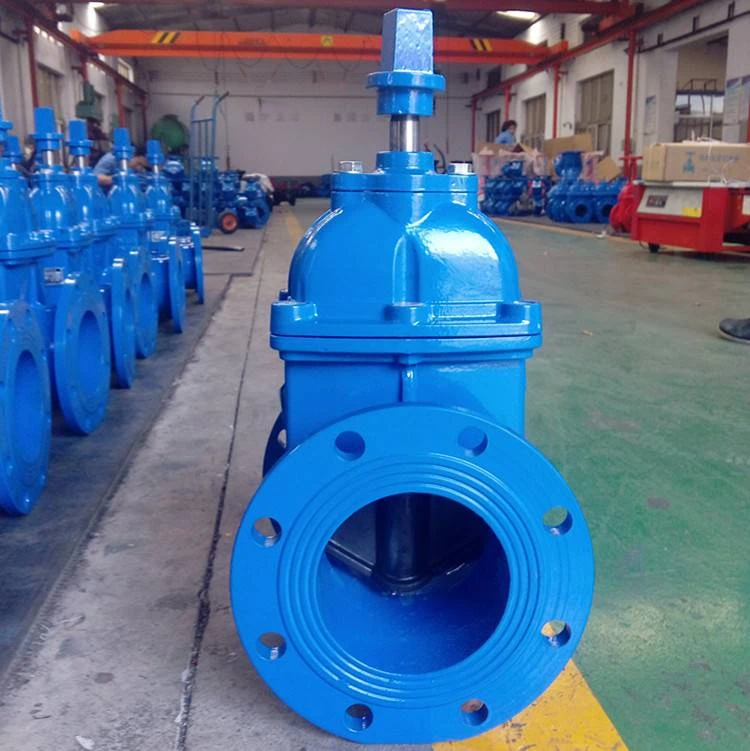
Van nước mở hoặc đóng
Van nước Bật hay Tắt? Trong cuộc sống hàng ngày, van nước đóng vai trò cực kỳ quan trọng. Chúng khôn

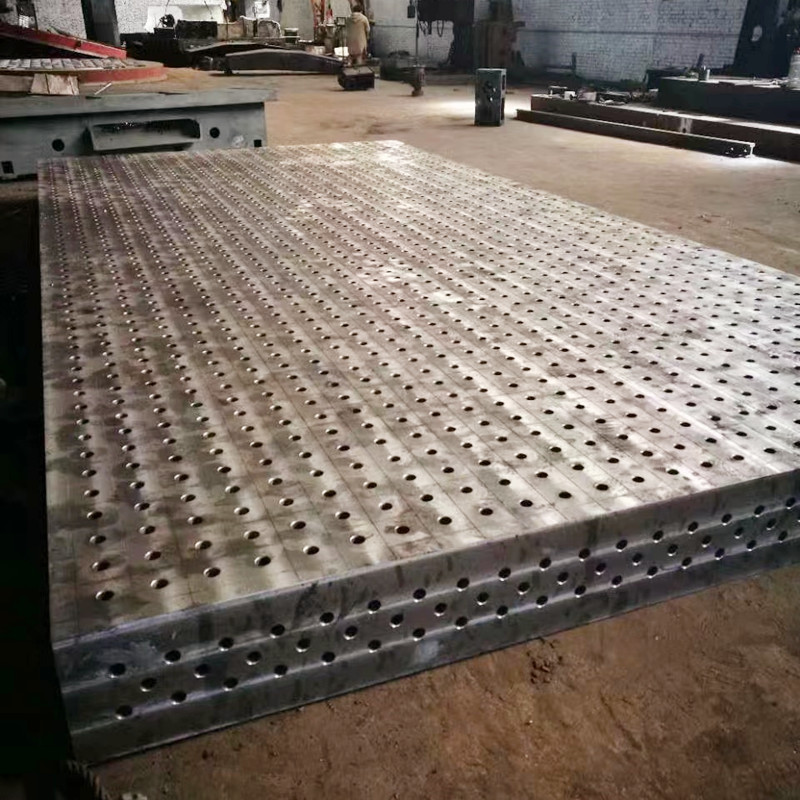
Versatile Welding Table Clamp Set for Secure and Precise Workholding Solutions
The Essential Guide to Welding Table Clamp Kits Welding is both an art and a science, and having the
 English